
What Is Non-Medical Home Care and Who Needs It?
As populations age and family structures evolve, the way we care for loved ones is changing. More families today are choosing non-medical home care services as a practical, compassionate alternative to nursing homes and institutional care. But what exactly does non-medical home care involve, and who truly benefits from it?
This guide breaks it down clearly from how non-medical home care works, to why it matters, the challenges families face, and how a trusted non medical home care agency can support both individuals and families in real, measurable ways.
Understanding Non-Medical Home Care
Non-medical home care refers to professional support services provided in a person’s home that help with daily living activities but not medical treatment. These services are delivered by trained caregivers or personal care assistants, not doctors or nurses..
Common Non-Medical Home Care Services Include:
Assistance with bathing, grooming, and dressing
Meal preparation and feeding support
Mobility assistance and fall prevention
Medication reminders (not administration)
Light housekeeping and laundry
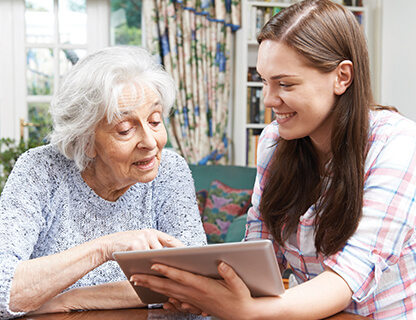
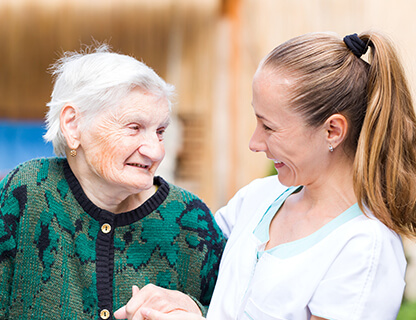
Companionship and emotional support
Transportation to appointments or errands
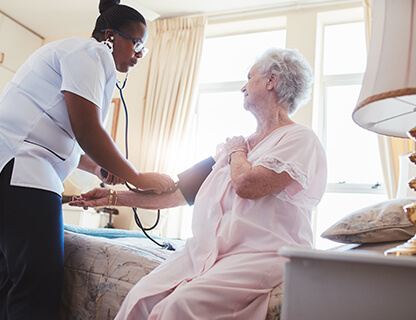
Unlike home health care, these services focus on quality of life, not clinical treatment.
Why Non-Medical Home Care Is So Important Today
The demand for non medical home care services is growing rapidly and for good reason.
1. Aging Population
In the U.S., seniors increasingly want to “age in place” rather than move to assisted living facilities. Non-medical home care makes this possible without sacrificing safety.
2. Family Caregiver Burnout
Many adult children juggle careers, children, and caregiving responsibilities. A reliable non medical home care agency fills the gap without replacing family involvement.
3. Cost-Effective Alternative
Non-medical care is often significantly more affordable than full-time residential care, especially when services are tailored to specific hours or needs.
4. Emotional Well-Being
Familiar surroundings reduce anxiety, depression, and cognitive decline especially for seniors or individuals with disabilities.
Who Needs Non-Medical Home Care?
Non-medical home care is not limited to the elderly. It supports a wide range of people at different life stages.
Seniors Living Alone
Older adults who struggle with mobility, memory, or daily tasks—but don’t need medical supervision—are ideal candidates.
Adults with Disabilities
Individuals with physical or developmental disabilities often rely on personal care assistants to maintain independence.
Post-Surgery or Recovery Patients
After surgery or illness, short-term non-medical care helps with daily routines while recovery takes place.
Busy or Remote Families
Families living far away use non-medical home care to ensure loved ones are supported consistently.
The Role of a Non-Medical Home Care Agency
A professional non medical home care agency does more than assign caregivers. It provides structure, accountability, and trust.
What a Reputable Agency Provides:
Background-checked, trained caregivers
Care plans tailored to individual needs
Ongoing supervision and quality control
Flexible scheduling (hourly, daily, live-in)
Backup caregivers when needed
Challenges Families Face (and How Care Solves Them)
Despite its benefits, families often hesitate due to common concerns:
“Will my parent accept help?”
Most seniors resist care initially. However, when framed as support rather than dependency, acceptance improves.
“Is it safe?”
Licensed non-medical home care agencies mitigate risk through screening, training, and supervision.
“Can we afford it?”
Flexible service models allow families to start small just a few hours a week and scale as needed.
Conclusion: Is Non-Medical Home Care the Right Choice?
Non-medical home care is not about giving up independence—it’s about preserving it.
For seniors, individuals with disabilities, and families navigating modern life, non medical home care services provide a practical, dignified solution that balances safety, comfort, and emotional well-being.
Choosing the right non medical home care agency ensures that care is not only professional but compassionate, reliable, and sustainable.
FAQs
What is non-medical home care?
Non-medical home care provides assistance with daily activities like bathing, meals, and companionship without medical treatment.
Who benefits most from non-medical home care services?
Seniors, adults with disabilities, post-recovery patients, and families needing caregiving support.
What does a personal care assistant do?
A personal care assistant helps with daily living tasks, mobility, hygiene, and emotional support.
Is non-medical home care better than nursing homes?
For many people, yes especially those who want to remain independent at home.